



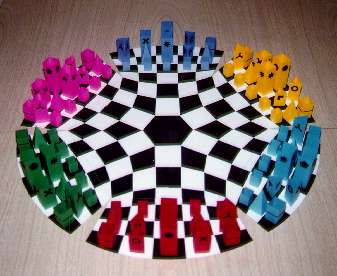
Those of us who have had the privilege of chairing meetings know that the view from that seat is entirely different from that of participants.
“Like playing multi-dimensional chess” is the analogy sometimes used, as it evokes the multi-focal nature of effective chairing practice.
The chair’s role inviting participants to speak and vote on motions before the meeting is only the most visible aspect of their extraordinarily complex and subtle role.
Multi-focal attention
The header image above, and the more detailed version below, outline just some of the matters the chair must pay attention to, almost simultaneously, throughout the meeting. Depending on the industry concerned, and the type of organisation, quite different additional considerations may also be involved beyond the complex array illustrated. For example, communication or liaison with key stakeholders may also require consideration.
Meeting dynamics (especially if remote participants are involved), interpersonal relations, political perspectives, physical and psychological states of participants, cultural and knowledge differences, and meeting logistics, all require consideration, alongside facilitation of decision making, monitoring operational performance. and strategic planning activities covered in the agenda.


Having served as a board secretary or executive officer in a wide range of settings for over 30 years in education and health organisations, in both the public and private sectors. I have had opportunity to witness scores of chairpersons, and to form some views about what good chairing looks like.
Role models
My three best ‘role model’ chairs shared some common traits (perhaps reflecting my biases*), including:
- A great sense of time, with considerable thought given to the time budget before the meeting so that priority items received the detailed attention they deserved. They also started and finished on time, and rarely needed to seek the permission of the meeting to extend deliberations.
- The capacity to engage everyone in the meeting, partly as a way of ensuring that a good cross section of views was aired before a vote was taken, but also to keep people on their toes, because they might be called upon to offer a view on any matter on the agenda. This also tended to ensure that directors were more likely to have read their agenda pack beforehand, rather than being caught out under- or unprepared. (Regrettably I witnessed quite a few occasions over the years when we still used paper agenda packs, of directors opening their pack for the first time as they set up for the start of the meeting, intending to ‘wing it’ if they could get away with it).
- The ability to sum up the main points in the discussion before putting the matter to a vote. Apart from assisting directors to confirm their ‘on-balance’ view as a basis for voting, minute secretaries loved this quality, as they came to recognise that it was rarely necessary to write long-winded notes during a debate. Capturing the summing up before the motion was put was usually sufficient.
(* They naturally addressed all of the other requirements of the role, but were particularly strong on these three qualities).


Chair training recommended
The skills required of all directors are quite extensive, and it can take some time and discipline for a director to become proficient or expert in the role. Given the additional complexity of the chair’s role, it is preferable in my view that candidates for chair are drawn from those with a sound grasp of the ‘ordinary’ director roles and responsibilities. Candidates for the role should not undertake it without understanding the requirements, and perhaps doing some preparatory training or professional development.